|
|
| |
Hello, fellow photographers! This week, Sigma announced a camera that none of us had on our bingo cards for the year: the Sigma FP2. Its modular design includes optional accessories such as a side-mounted viewfinder and a hotshoe adapter. |
We already thought this year was a bit interesting in terms of releases, and Sigma’s announcement suggests that the trend of niche cameras that break the mold is continuing on. Indeed, even in the realm of toy and action cameras, we’ve seen some distinct takes on what form a camera can take. |
All of this has me wondering where camera design could go next. If you could create a new camera module or rethink the camera itself, what would you make? Would you solve a familiar frustration or try something entirely unexpected? Reply to this email with your boldest ideas, and I’ll share some of them in the next edition of Today in Photography! |
— Abby Ferguson, Features Editor |
|
|
|
|
|
|
|
|
|
|
| |
Posts That Stopped the Scroll |
|
| |
|
|
|
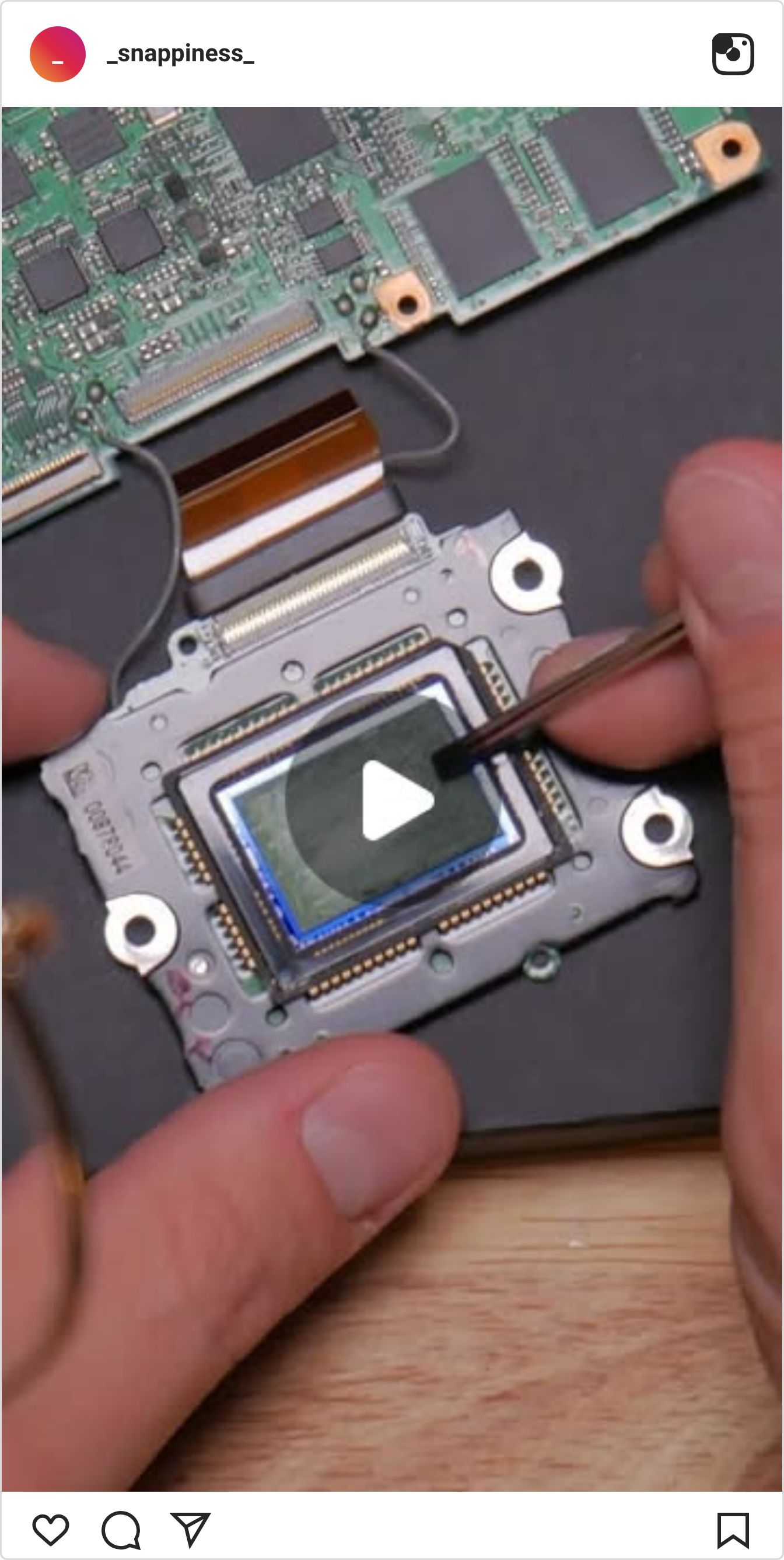
There’s rethinking camera design, and then there’s taking a screwdriver to a sensor. In this video, photographer James Warner scrapes off a camera sensor’s color filter and shows us the resulting images. This is one modification I would absolutely not be bold enough to attempt. |
|
|
|
|
That’s not the only neat video we saw from James, either. We also stumbled on his deep dive into the EPix Pro, which is a truly wild-looking camera. It’s well worth a watch if you like learning about lesser-known cameras. |
| |
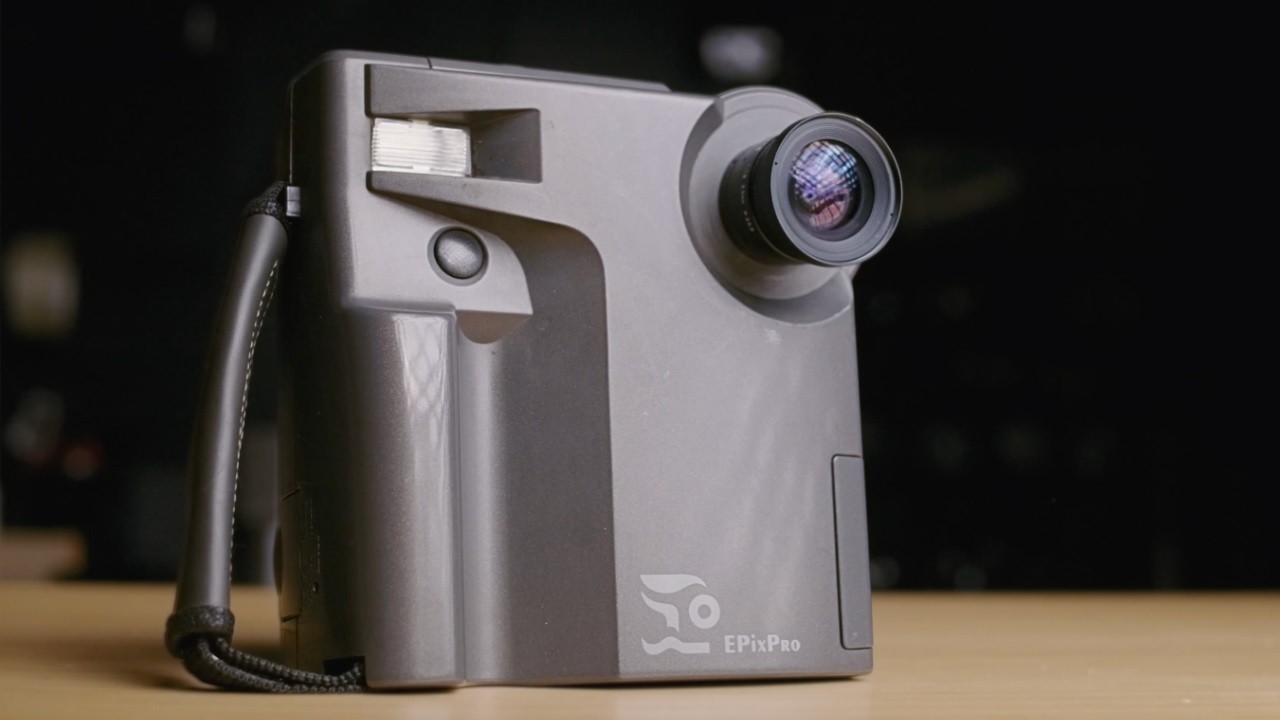 |
I Found a Camera That Was Supposed to Change Everything |
|
|
|
| |
|
|
|
|
|
 |
Photo by Abby Ferguson |
|
|
| |
|
Sometimes, testing products makes things a little chaotic and messy. I’ve been working on a review of the new Instax Square 2, and my desk ended up cluttered with photos, cameras and lens caps, with the obligatory coffee in the midst of it all. |
| |
Important Dates in Photo History |
|
| |
|
|
|
October 17 – Alexander Gardner's birthday (b. 1821). The Scottish-born photographer and his assistant James Gibson made the first photographs of the dead on an American battlefield, at Antietam in 1862. He also photographed Abraham Lincoln more often than anyone else. October 19, 2002 – Manuel Álvarez Bravo died at 100. Often called the father of Mexican photography, he combined modernist and Surrealist influences with distinctly Mexican subjects. October 20, 1862 – The New York Times reviewed “The Dead of Antietam” at Mathew Brady’s New York gallery. The exhibition confronted viewers with photographs of battlefield casualties, bringing the war’s carnage home to civilians. October 22 – Robert Capa's birthday (b. 1913). The Budapest-born photojournalist covered five wars, photographed the D-Day landing at Omaha Beach and co-founded Magnum Photos.
|
|
|
|
|
Last week, Dale Baskin asked you all about the best photo that you never meant to take. I was excited to see the topic, as happy photographic accidents are near and dear to my heart. We had some fantastic responses, some of which you can see below. Feel free to email over your image if you still would like to share! |
|
| |
|
 |
Photo by Preston Page |
|
|
| |
|
From Preston Page: Your call out of accidents that are outstanding really resonated with me. For this shot, I was getting ready to use an LED projector as a spotlight. Then, because I didn’t remove a thumb drive, a face projected on our model. |
|
| |
|
 |
Photo by John Fraser |
|
|
| |
|
From John Fraser: Attached is one of my favorite mistakes, or coincidences. I didn't plan for the fish in the background. The photo was taken at Laulau Bay, Saipan. Whitecheek surgeonfish in the foreground and a parrotfish in the background. |
|
| |
|
 |
Photo by Victor Pinto S. |
|
|
| |
|
From Victor Pinto S.: One late afternoon, as evening approached, I was trying to photograph a lighthouse on Lake Ontario in Canada. Because there was little light, I used a long exposure. At the end of the exposure, I saw a small boat passing by with its night light on. This light impressed the exposure with a line of light at the same level as the lighthouse's light. |
|
|
| |
“I’m not interested in chasing new technology. Whether you’re shooting on an iPhone or an IMAX, it’s still about what’s in the frame.” |
SIR ROGER DEAKINS, CINEMATOGRAPHER |
|
| |
|
|
|
|