|
|
| |
Hello, fellow photographers! As you will see below, I had the chance to step back into the darkroom this week for the first time in at least 13 years. Most of my photographic training was in the darkroom, from high school through my undergraduate degree, so it was a treat to dust off those skills again. |
It also reminded me how differently I look at my images with the darkroom process. While I occasionally edit photos down at the pixel level, most of my digital work doesn’t involve looking quite so carefully at an image. I’ll also admit that I try to finish digital edits quickly, because I don’t love staring at my computer any longer than I have to. |
But in the darkroom, I slow down and consider every inch of the frame, giving me a fresh perspective on my work. With that in mind, I’m going to try to be better about bringing that same attention to my digital work, as I know it will make me a better photographer. If you have tricks that help you slow down or see your images differently, let me know. It’s always fun to hear how others approach it. |
— Abby Ferguson, Features Editor |
|
|
|
|
| |
|
Presented by |
|
|
|
Professional Photo Enhancement for Real-World Photography |
|
|
|
Got a great shot with less-than-perfect image quality? Rescue it with Aiarty Image Enhancer. Designed for photographers, Aiarty reduces noise, fixes blur, restores details and faces, and upscales images. And now, DPReview members can get 49% off. |
Enhance Photos Across Shooting Scenarios: From cropped telephoto wildlife shots and high-ISO night photos to soft portraits, noisy event photos, and landscapes or architecture lacking fine detail, Aiarty is built for the challenges photographers face in different shooting conditions. Whether you're shooting with a professional full-frame, APS-C, M4/3, compact, or older camera, Aiarty helps you get more from every shot. |
Fits Various Editing Workflows: Enhance and fine-tune in Aiarty before or during editing in LrC or other supported external editors, with easy access to EXIF and key photo metadata. Quick edits include one-click enhancement, plus color correction and object removal. All processed locally. |
Get a 3-PC Lifetime License for just $79 (was $159). No Subscription. |
|
|
|
|
|
|
|
|
|
|
|
| |
Posts That Stopped the Scroll |
|
| |
|
|
|
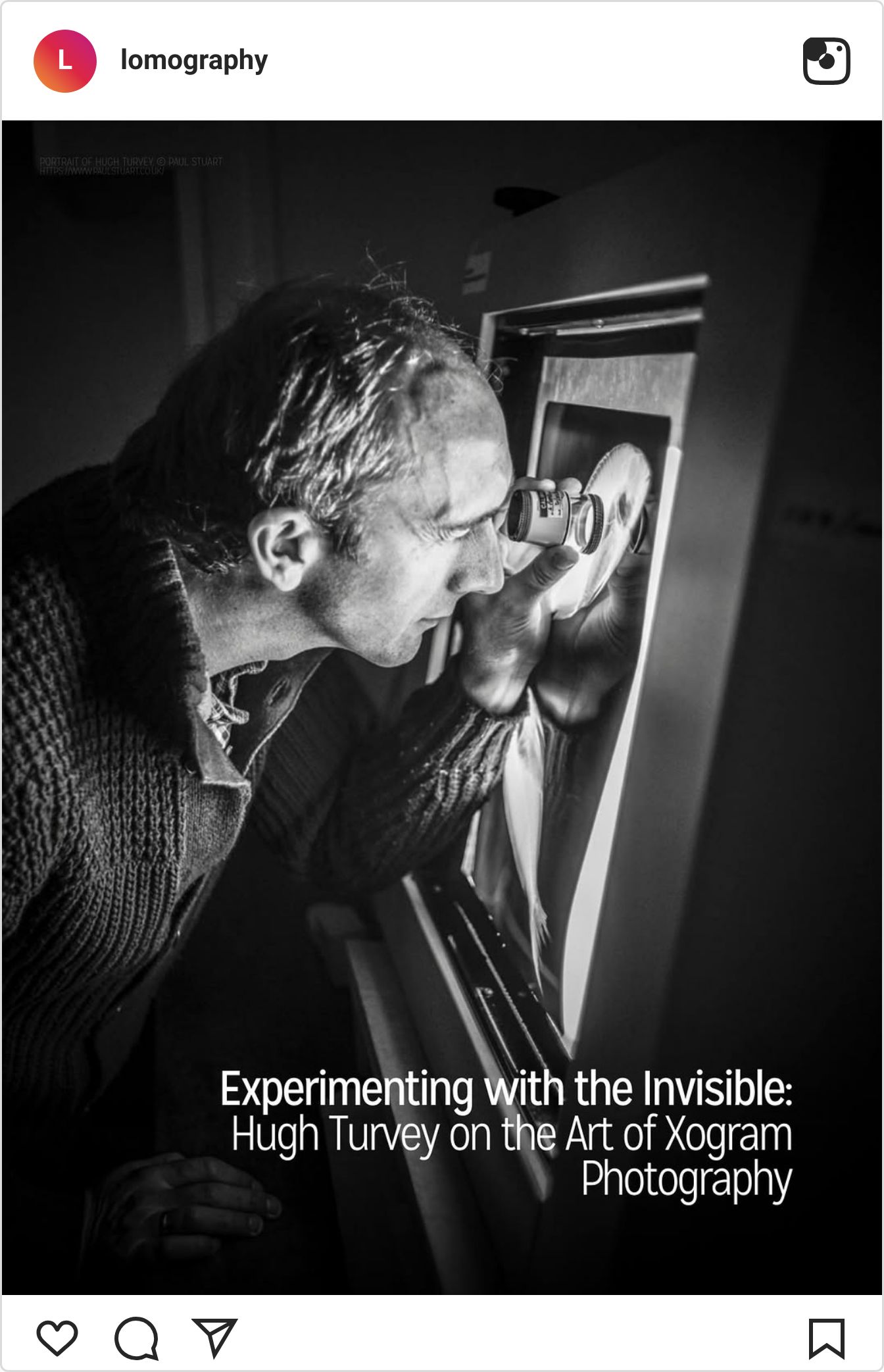
Photographer Hugh Turvey has a rather unconventional approach to photography: he doesn’t use a camera at all. Instead, he creates “xograms” by exposing X-ray-sensitive film to radiation, revealing the hidden structures within everyday objects. The resulting images, some of which you can see in the post below, are fascinating. |
|
|
|
|
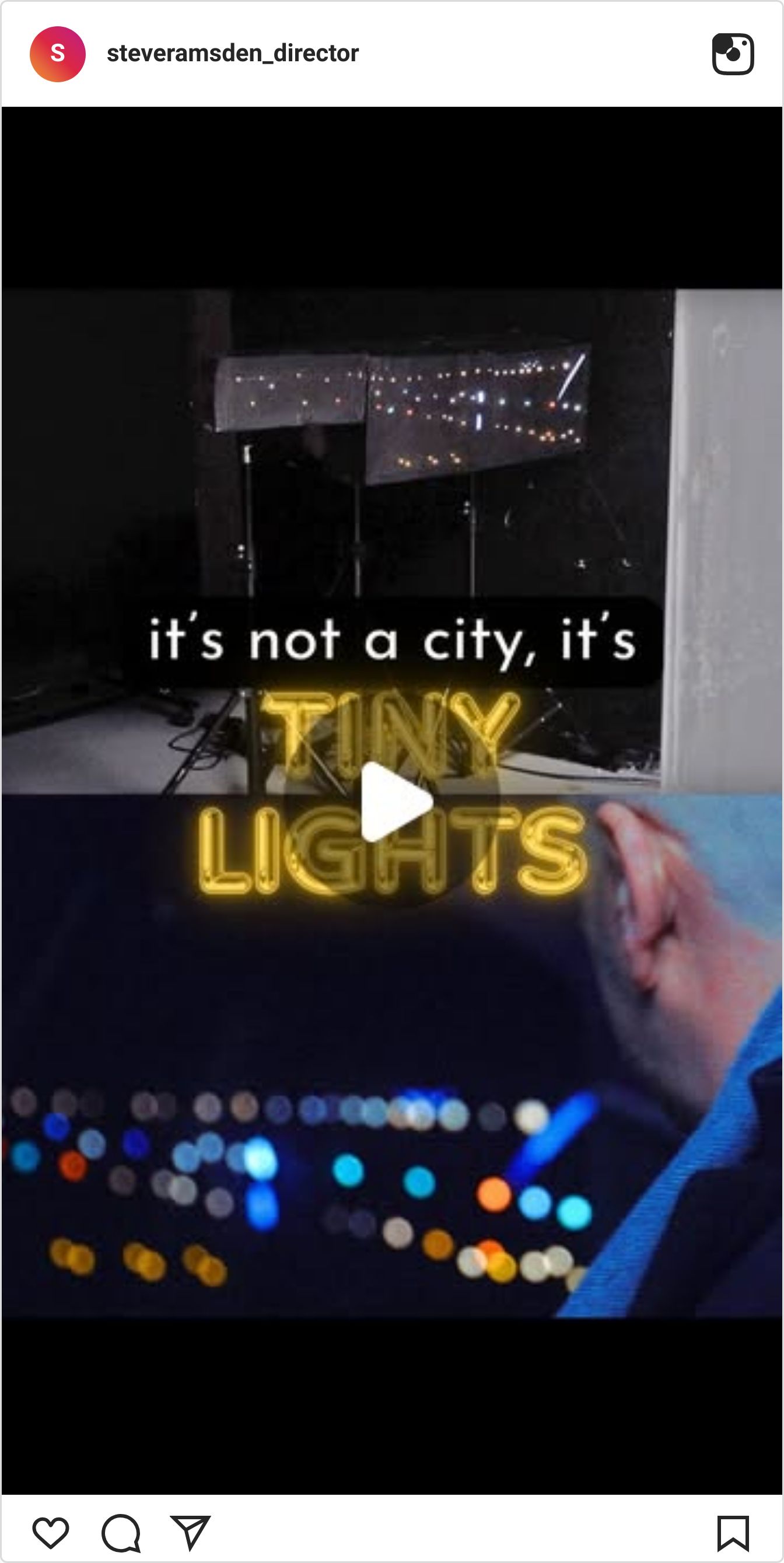
The reel below shows how director Steve Ramsden created fake city lights for the Pay Back movie. It’s a remarkably simple setup, and a good reminder that you don’t need something extravagant to make a big impact. |
|
|
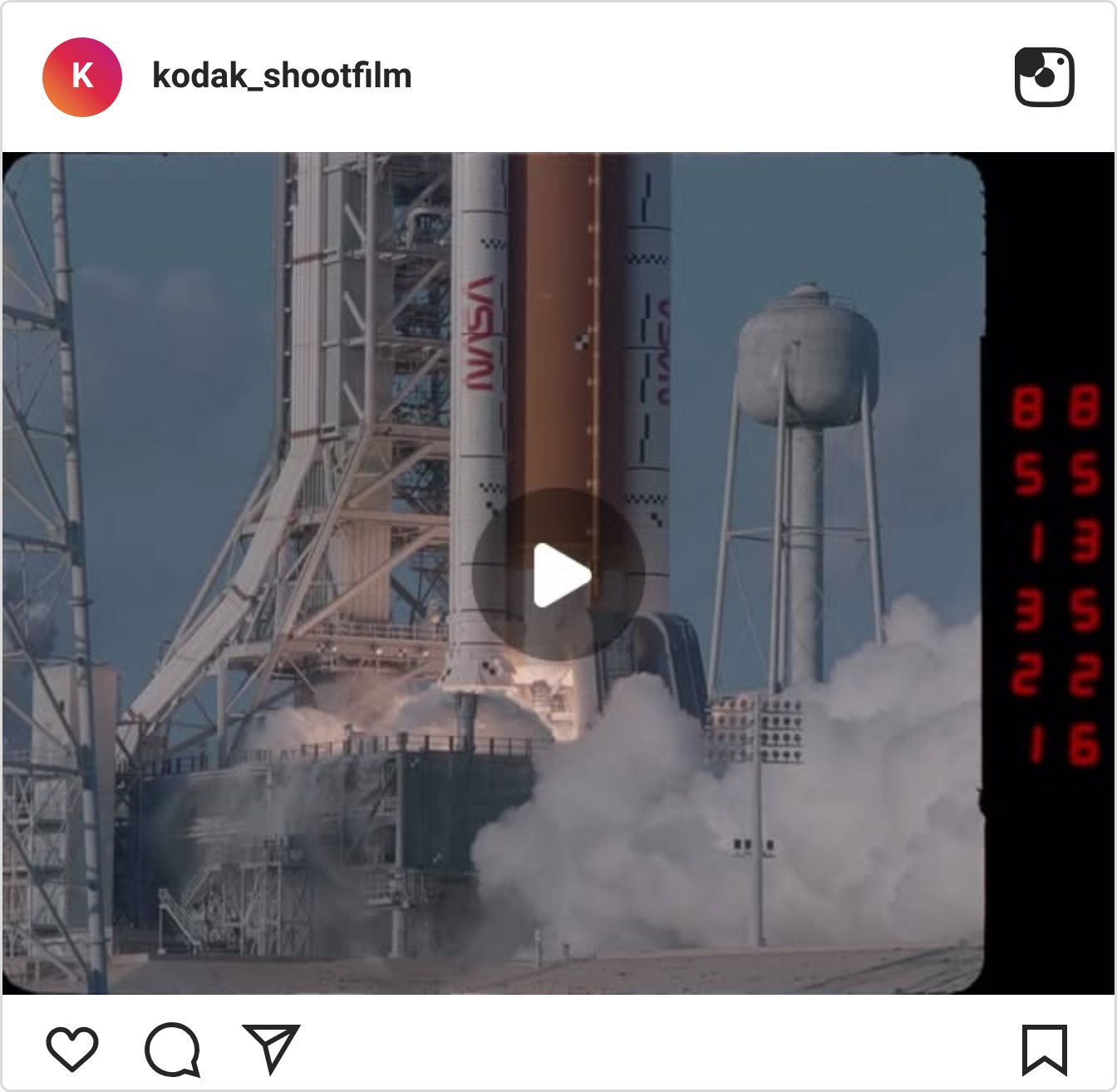
Lastly, Kodak’s motion picture Instagram account recently shared footage from the Artemis II launch, shot on both 35mm and 16mm film. The caption explains that NASA still uses film in high-speed cameras to document and analyze launches, which I didn't expect. Either way, the footage is incredible. |
|
|
|
|
|
|
This week, I’ve happened to be thinking a lot about genre, both because I’m reading a piece of capital-G Genre fiction and because I’ve just happened to watch one video entirely about it and another that happens to mention it while dissecting a book. And this made me realize something: I at least consider the genre of pretty much any piece of media I interact with or make – books, video games, movies, music, you name it – but I rarely, if ever, think about it when it comes to photography.
Mind you, this isn’t because it doesn't exist. When we did an article about our favorite genres to shoot last year, some of my coworkers had solid answers: portraiture, street, astro, still life. All I could come up with was a vibe. Typically, when I go out to shoot, I’m not considering what kind of photo I/m going to take, I’m thinking about what I’m going to photograph, and deciding what form that will take when I get there. I go out to shoot my favorite park, perhaps as a landscape, or as something else entirely. Is this a good way of working? I don't know! But it is what I do.
I’m curious where our audience lies on that spectrum. Do you mainly consider your work in terms of its genre, or are you closer to my end, where you rarely think about it? |
— Mitchell Clark, Reviews Editor |
How often do you think about genre as it relates to your own photography? |
|
|
| |
Important Dates In Photo History |
|
| |
|
|
|
September 27, 1835 – First mention in print of Daguerre’s photographic experiments. A note appended to a Journal des artistes review of his Diorama reported that Daguerre and Nicéphore Niépce had found a way to record camera obscura images on prepared plates. The process was still incomplete, but the item is considered the first published notice of work that led to the daguerreotype. September 29 – Jeff Wall’s birthday (b. 1946). The Vancouver artist helped redefine contemporary photography with large-scale, backlit color transparencies that blend cinematic staging with art-historical references. October 2 – Annie Leibovitz’s birthday (b. 1949). Leibovitz became Rolling Stone’s chief photographer in 1973 and went on to reshape celebrity portraiture through her work for Vanity Fair, Vogue and other magazines.
|
|
|
|
|
 |
Photo by Michael Bradtke |
|
|
| |
|
Mitchell Clark and I are cooking up an exciting video that will be coming your way soon. As a little teaser, the above photo is of me in the darkroom this week, getting ready for that video. It was the first time in at least 13 years that I’d printed from a negative, despite taking plenty of film photos, and it was a blast to get back at it. |
|
|
|
|
|
|
Throughout September, we held a series of mini challenges, with a different topic every 48 hours. Now that the month is over, DPReview Community Manager Mathew Anderson has gathered some images from the challenge so you can see the diversity of this community. Head on over to read the full post. |
|
| |
|
|
|
 |
Photo by Jean-Pierre Zanotti |
|
|
| |
|
This week’s edition of our ‘What’s in your bag?’ series highlights Jean-Pierre Zanotti (JP Zanotti in our forums), a photographer who documents abandoned buildings in France and Italy. I’ve always loved photographs of such places, and Zanotti’s images are stunning. The grand scale of them makes them especially interesting to me. You can see more of his work and read about his photography at the link below. |
|
|
|
|
| |
“The camera is therefore an eye capable of looking forward and backward at the same time.” |
WIM WENDERS, FILMMAKER AND PHOTOGRAPHER |
|
| |
|
|
|
|